Classic Natural Stone for Historic Properties
Marble countertop fabrication and installation in Portsmouth for Seacoast homes where proper sealing and care guidance prevent etching and staining
Coastal New Hampshire's humidity accelerates marble etching when combined with the acidic cleaning products common in modern kitchens. Renaissance Stone fabricates and installs marble countertops for Seacoast properties with the sealing protocol and care guidance that prevent the staining and etching that make marble difficult to maintain. You receive post-installation education on pH-safe cleaning methods and sealing schedules tailored to Portsmouth's coastal environment, particularly critical in Strawbery Banke historic homes and West End renovations where marble matches period architectural character.
Marble is a metamorphic stone formed from limestone, softer and more porous than granite or quartzite, which makes it vulnerable to acid etching from lemon juice, vinegar, and many household cleaners. Proper sealing at installation slows moisture infiltration and reduces staining, but marble requires realistic expectations about its maintenance demands. The fabrication process includes edge profiling and cutouts executed with precision to minimize chipping along edges where the stone is most vulnerable.
Request a project estimate that includes sealing specifications and care instruction delivery for your marble installation.
How Proper Sealing Extends Marble Performance
Sealing marble after fabrication fills the stone's porous structure with a penetrating barrier that blocks liquid absorption and reduces staining from spills. The sealer does not prevent acid etching, which is a chemical reaction that dulls the polished surface, but it buys time to wipe up spills before they penetrate deep into the stone. Renaissance Stone applies sealer as part of the fabrication process and provides a resealing schedule based on kitchen use patterns and the specific marble type installed.
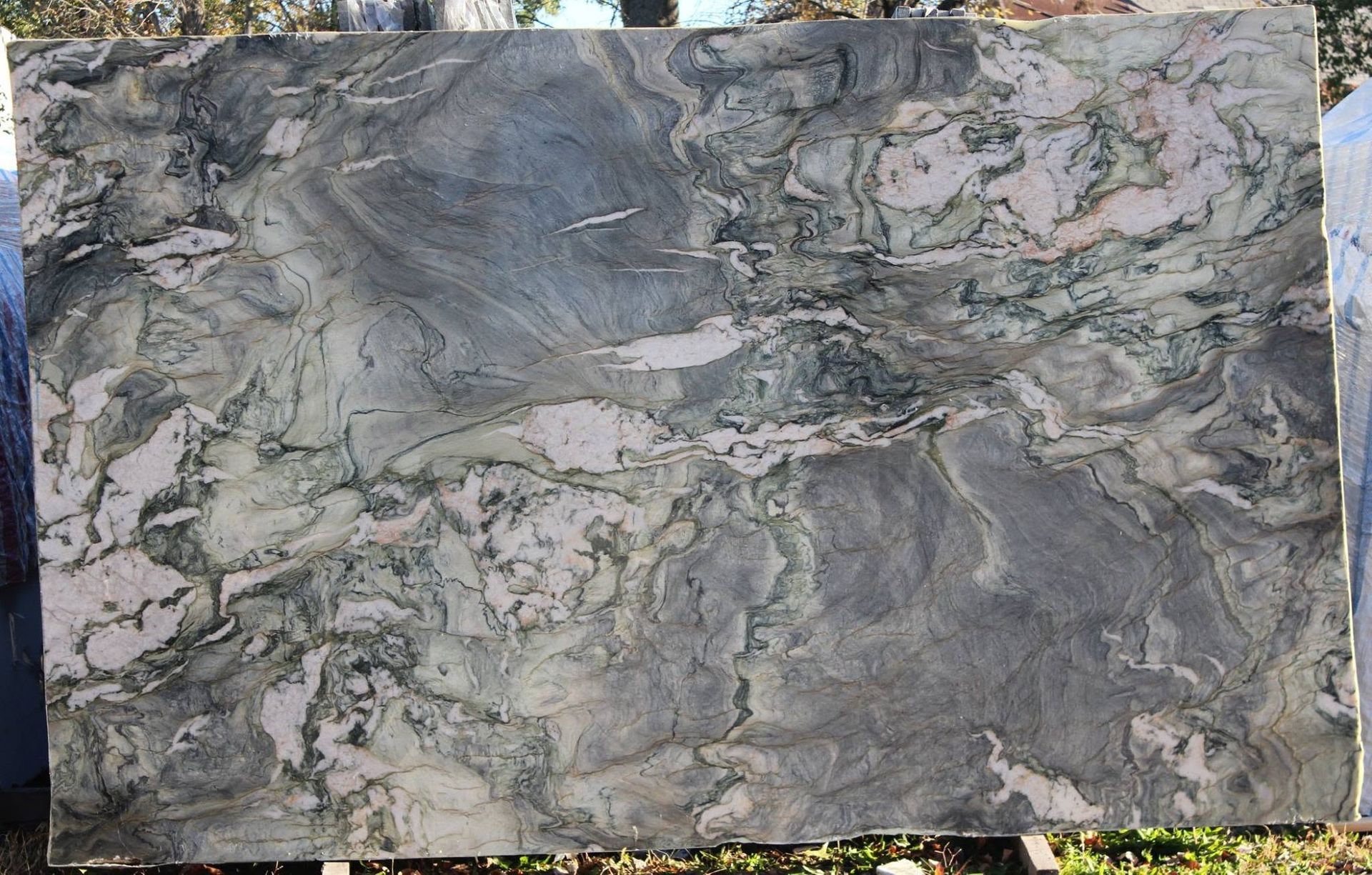
After installation, you notice marble surfaces with a polished finish that reflects light and natural veining that adds visual depth to kitchen and bath spaces. The stone feels cool to the touch and provides a smooth work surface, but it requires immediate cleanup of acidic spills and avoidance of abrasive cleaners that scratch the polished surface. You leave the installation with specific guidance on pH-neutral cleaning products and the sealing frequency required to maintain stain resistance in Portsmouth's humid coastal climate.
Marble is well-suited to bath vanities and low-traffic kitchen areas where acidic exposure is minimal, but it demands more care than granite or engineered quartz in high-use cooking zones. Honed marble finishes show etching less visibly than polished surfaces, making them a practical option for homeowners who want marble's character without the maintenance intensity that polished finishes require.
Questions About Marble Before Installation
Marble's beauty comes with maintenance requirements that homeowners need to understand before selecting the material for kitchen or bath countertops.
What causes marble to etch and how can it be prevented?
Etching occurs when acidic substances chemically react with the calcium carbonate in marble, dulling the polished surface. Prevention requires immediate cleanup of acidic spills and use of pH-neutral cleaning products rather than vinegar-based or citrus cleaners.
How often does marble need resealing in coastal New Hampshire?
Sealing frequency depends on porosity and use, but most marble installations in Portsmouth require resealing every six to twelve months due to coastal humidity that accelerates moisture exposure. A water absorption test shows when resealing is due.
Does marble work for kitchen countertops or only bathrooms?
Marble functions in kitchens if you accept its maintenance requirements and avoid placing it in high-acid zones near prep sinks or cutting areas. Bath vanities and low-traffic kitchen islands see less acidic exposure and are well-suited to marble's characteristics.
What cleaning products are safe for marble countertops?
pH-neutral stone cleaners or mild dish soap diluted in water are safe for daily cleaning. Avoid ammonia, bleach, vinegar, and citrus-based cleaners that etch the surface.
Can etching be repaired once it happens?
Light etching can be polished out by stone restoration professionals, but deep etching requires resurfacing that removes material and may alter the stone's profile. Prevention through proper care is more effective than repair.
Renaissance Stone operates a Portsmouth-based fabrication shop with expertise in historic Seacoast home renovation requirements, including material selection and sealing protocols for marble installations in coastal properties. Arrange a consultation to discuss marble options and receive detailed care guidance before your project begins.